New copper branch circuits
Every receptacle, switch, and fixture gets new copper conductors sized to the load it carries. Old aluminum and cloth wiring comes out completely, not spliced onto.
Whole house rewiring in Saint Cloud, Florida replaces the tired aluminum and cloth wiring hiding behind your walls with copper that handles today's load. If your breakers trip when the AC kicks on or your panel smells hot, we inspect, quote, and rewire. We pull the permit and leave you with a labeled, grounded system.
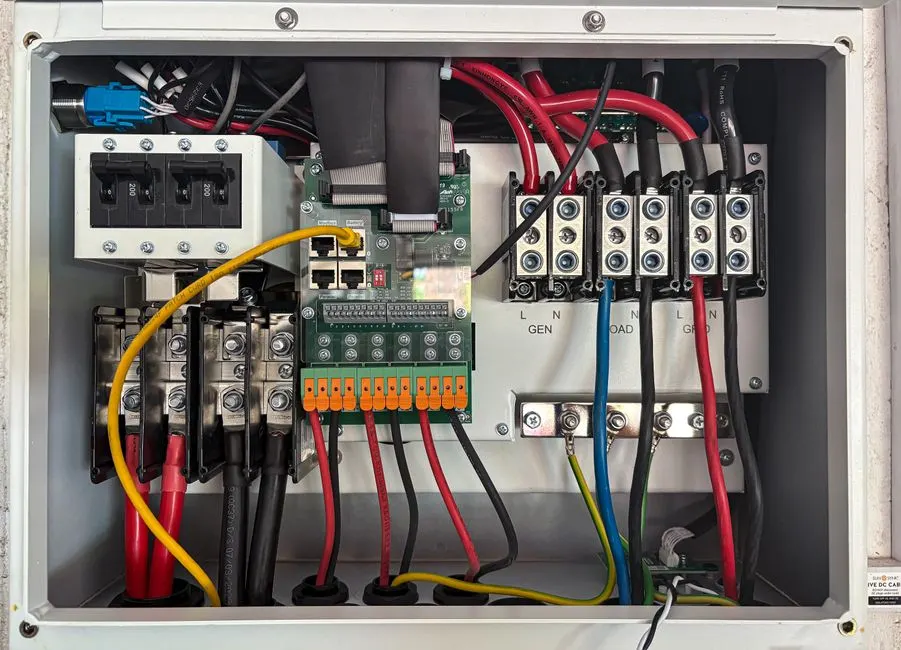
Whole house rewiring in Saint Cloud, Florida means pulling every branch circuit out of the walls and replacing it with new copper conductors, then re-terminating each device, switch, and fixture on the other end. We map the existing circuits first, fish new cable through the attic and crawlspace, and land everything on a modern panel with correct breaker sizing. Old cloth-insulated and aluminum wiring gets removed, not spliced onto. Grounding gets verified at every box, and GFCI protection goes where the code requires it.
Most Saint Cloud homes built before 1985 were wired for a fraction of the load a house pulls today. Add a heat pump, an EV charger, or a tankless water heater and the original 100-amp service starts tripping. Homeowners call us after a burning smell from the panel or a breaker that will not reset. If you have been searching for whole house rewiring near me and want a straight answer, we walk the house, test the circuits, and tell you what needs replacing and what does not.
A whole-house rewire covers every branch circuit from the panel to the last receptacle. Panel upgrades, generator hookups, and solar tie-ins are quoted separately because they depend on your service size and what you plan to add.
Every receptacle, switch, and fixture gets new copper conductors sized to the load it carries. Old aluminum and cloth wiring comes out completely, not spliced onto.
We replace receptacles, switches, and GFCI devices, then terminate each one to torque spec. Grounding is verified at every box before the wall goes back together.
Every breaker gets a printed label that matches what it actually controls. You get a directory card inside the panel door so the next person who opens it knows what is what.
We test the grounding rod and bonding to metal piping, then add grounding where the original install skipped it. Proper grounding is what makes breakers and GFCIs trip when they should.
We pull the electrical permit, meet the inspector for rough-in and final, and hand you the passed inspection record for insurance and resale.
We inspect the panel, test every circuit with a multimeter and voltage tester, and check grounding at the rod. You get a written scope listing which circuits get replaced and whether the panel needs upgrading. This visit takes about 90 minutes.
We pull the electrical permit through the local building department and schedule the rough-in inspection. You get a day-by-day schedule so you know when power will be off and for how long. Most rooms stay powered overnight.
Our crew fishes new cable through the attic and crawlspace using fish tape and a cable puller. We cut in new boxes with a hole saw, staple runs to code, and label every home run at the panel. Rough-in takes two to four days.
We terminate receptacles, switches, and fixtures, then land the new breakers on the bus bar with a torque screwdriver set to spec. Grounding wire and conduit get bonded to the grounding rod. This stage runs one to two days.
We load-test each circuit, verify GFCI trip times, and confirm the panel is labeled. The inspector signs off, we patch the drywall cuts, and you get a walkthrough of the new panel. Final inspection usually happens within 48 hours of completion.
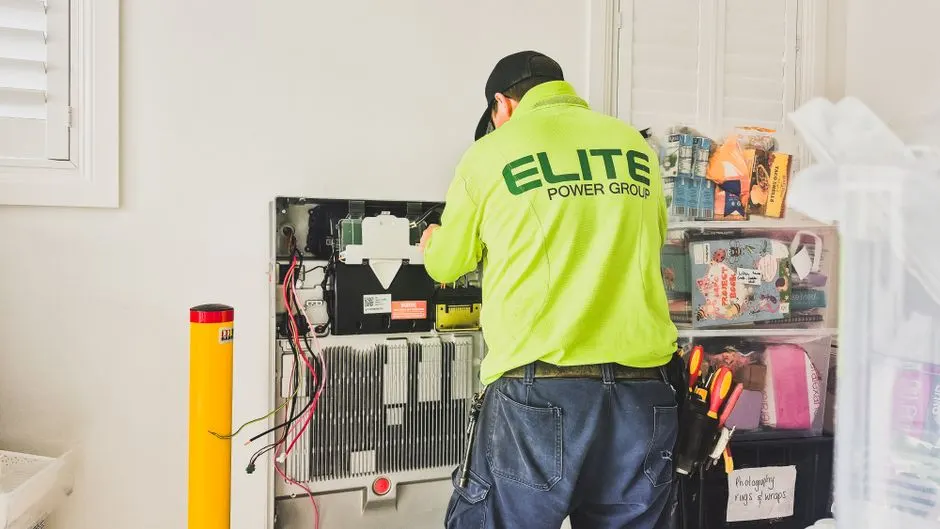
We inspect the panel, test every circuit with a multimeter and voltage tester, and check grounding at the rod. You get a written scope listing which circuits get replaced and whether the panel needs upgrading. This visit takes about 90 minutes.
Measures actual current on each circuit so we can see which runs are overloaded before we quote the rewire.
Traces which breaker controls which outlet without flipping every switch in the panel.
Pulls new cable through finished walls and attic runs with minimal drywall damage.
Tightens breaker and bus bar lugs to the manufacturer's spec, which prevents the loose connections that cause hot spots.
Confirms a circuit is dead before we touch it and verifies correct voltage after termination.
Cuts clean openings for new device boxes in drywall and plaster without cracking the surrounding wall.
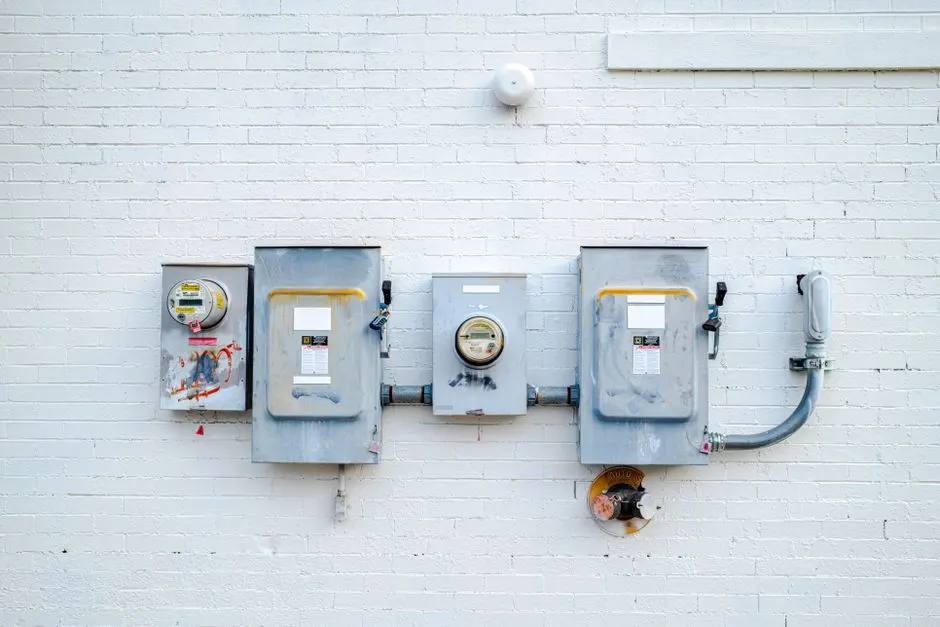
A Downtown Saint Cloud home had a fuse box, cloth wiring, and two-prong outlets throughout. The owner could not run the microwave and toaster at the same time without blowing a fuse. Insurance had flagged the wiring twice.
After: We rewired the house in copper, replaced the fuse box with a 200-amp panel, and grounded every circuit. The kitchen now carries 20 amps on two circuits. Inspection passed on the first visit, and the insurance flag cleared.
Book this service →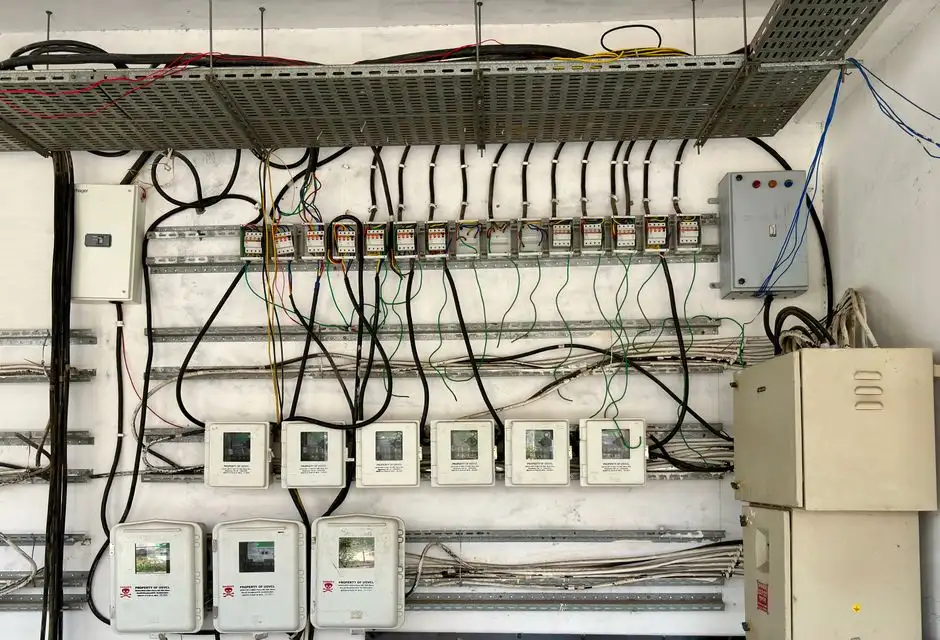
A Sartell ranch tripped the main breaker every time the AC and dryer ran together. The panel was a 100-amp unit with double-tapped breakers and no labels. The owner had been resetting breakers for two summers.
After: We upgraded to a 200-amp panel, rewired the kitchen, laundry, and HVAC circuits in copper, and labeled every breaker. The AC and dryer now run at the same time without a trip. Panel temperature stays normal under load.
Book this service →A Waite Park home built in 1968 had aluminum branch wiring and a corroded panel. The owner smelled something hot near the panel twice in one month. Two electricians had quoted partial fixes.
After: We removed all aluminum branch wiring, replaced the corroded panel with a Siemens load center, and installed new grounding. The burning smell is gone, and the house passed a full electrical inspection.
Book this service →Most of the calls we get start with one symptom and end with a full rewire. Here are the problems we see most often in Saint Cloud homes and what happens if they are ignored.
Ask a pro →We run a load calculation, replace the undersized run with copper sized to the appliance, and give it a dedicated breaker. The tripping stops because the circuit can finally carry the load.
We isolate the circuit, replace the damaged breaker and any corroded bus bar, and check torque on every lug. If the wiring behind it is also failing, we quote the rewire the same visit.
We pull a grounding conductor to every box during the rewire, install grounding rods where needed, and upgrade receptacles to three-prong grounded devices. The house passes inspection when we are done.
We correct double-taps by adding circuits or a subpanel, then label every breaker with what it actually controls. You get a directory card and a panel that passes review.
$8,000 - $15,000 depending on scope
Typical 2026 pricing for whole house rewiring Saint Cloud runs $8,000 to $15,000 for a full single-family rewire. Smaller homes with good attic and crawlspace access sit near the low end. Plaster walls, no attic access, and panel upgrades push the number up. We quote after the walkthrough, so the price reflects your house, not a national average. Financing is available if you want to spread the cost.
A rewire is a one-time cost that ends the tripping, removes the fire risk, and clears insurance requirements. It also adds capacity for an EV charger or solar later, which you would otherwise pay to open the walls for again.
More rooms mean more home runs and more devices to terminate. A 1,200-square-foot home might have 18 circuits, while a 2,800-square-foot home can have 40 or more.
Get a quote ↗Good access lets us fish cable without opening walls. No attic access means more drywall cuts and patching, which adds labor and time.
Get a quote ↗Plaster and lathe is slower to work through than drywall. We plan extra time and use a hole saw to keep the openings clean and patchable.
Get a quote ↗If the existing panel is undersized or corroded, it gets replaced during the rewire. A 200-amp upgrade adds to the total but is often required for the new load.
Get a quote ↗“Our 1950s house had cloth wiring and a fuse box that popped every time the AC started. The crew rewired the whole place in five days and upgraded us to 200 amps. They kept the kitchen and one bathroom live each night, which mattered with two kids. Passed inspection first try.”
Marcus T.Homeowner, Downtown Saint Cloud
✓ Verified“We kept tripping breakers when the dryer and microwave ran together. They traced it to undersized wire, quoted a full rewire, and finished in four days. The panel is labeled properly now, which the last electrician never did. Price matched the quote exactly.”
Dana R.Homeowner, Sartell
✓ Verified“I called after smelling something hot near the panel. They came out same day, found a loose connection and corroded bus bar, and scheduled the rewire for the following week. New copper throughout, grounding rod replaced, and they patched the drywall cuts. No more smell.”
Priya S.Homeowner, Waite Park
✓ VerifiedMost full rewires in Saint Cloud run $8,000 to $15,000 in 2026, depending on square footage, attic access, and whether the panel is upgraded at the same time. A 1,500-square-foot home with good crawlspace access sits near the low end. Homes with plaster walls or no attic access cost more because every run takes longer to fish.
You need it if your home still has aluminum or cloth-insulated branch wiring, if breakers trip under normal load, or if you smell something hot near the panel. Homes built before 1985 are the usual candidates. A 30-minute inspection with a circuit breaker finder and clamp meter tells you for certain.
A typical single-family rewire takes three to seven working days. Rough-in wiring is the longest stage at two to four days. You keep power to the kitchen and one bathroom each night. Final inspection usually happens within 48 hours of the last device being terminated.
Saint Cloud Panel Pros does. We are a licensed Florida electrical contractor working out of Saint Cloud and covering Benton and Sherburne County. Call (321) 677-9111 and we will schedule a walkthrough, usually within one business day.
Licensed, insured, and permitted work from a local crew. Call (321) 677-9111 and we will schedule a walkthrough, usually within one business day.
Book a walkthrough (321) 677-9111 →Reach us at (321) 677-9111 Monday through Friday, 8 a.m. to 6 p.m., and 24/7 for emergencies. We answer the phone, ask the right questions, and give you a straight answer on timing. Same-day estimates are usually available if you call before noon.