Whole house surge protection that stops lightning and grid spikes cold

Surge Protection Installation in Saint Cloud, Florida

Surge Protection Installation in Saint Cloud, Florida gives your home a hard-wired defense against the lightning storms and grid spikes that fry electronics, HVAC boards, and pool pumps across Central Florida. If your panel is older, ungrounded, or you have never had a surge protector installed at the main, your expensive appliances are running naked. We install whole house surge protection Saint Cloud Florida homeowners rely on to keep the lights steady and the repair bills down.

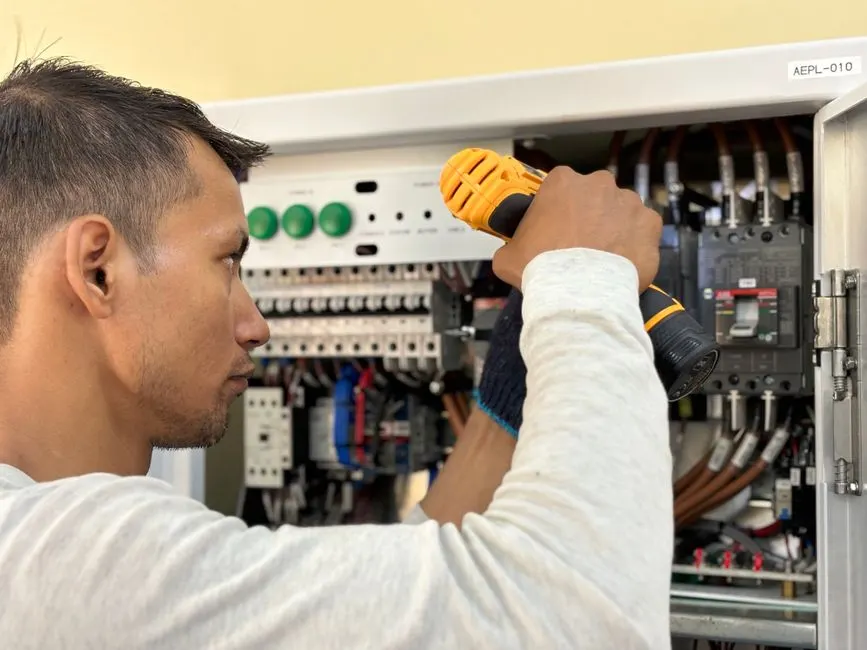
Experienced Electrical Panel Upgrade professionals at work
Careful work. Honest options.
About this service

What Surge Protection Installation in Saint Cloud, Florida Actually Does

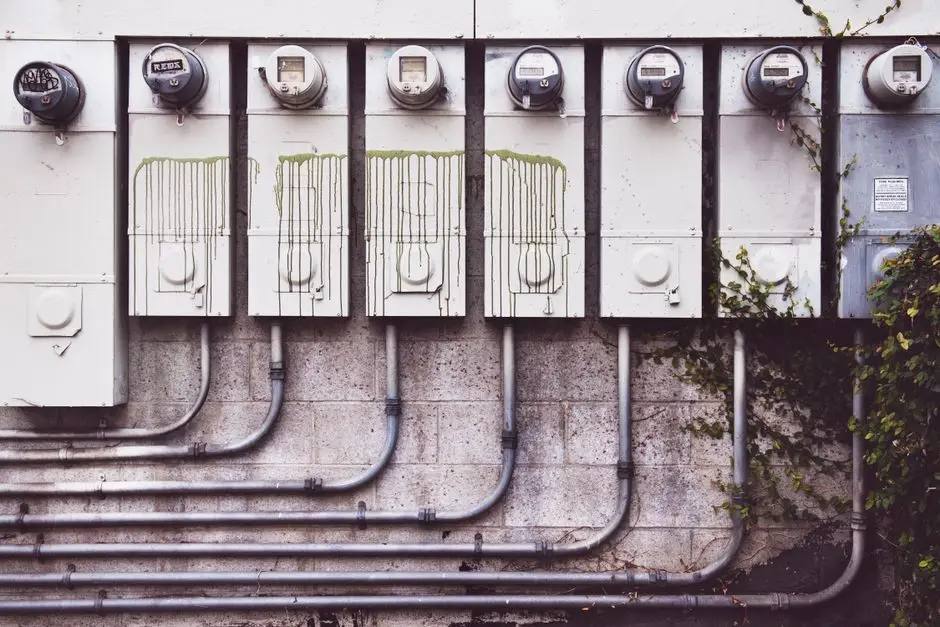
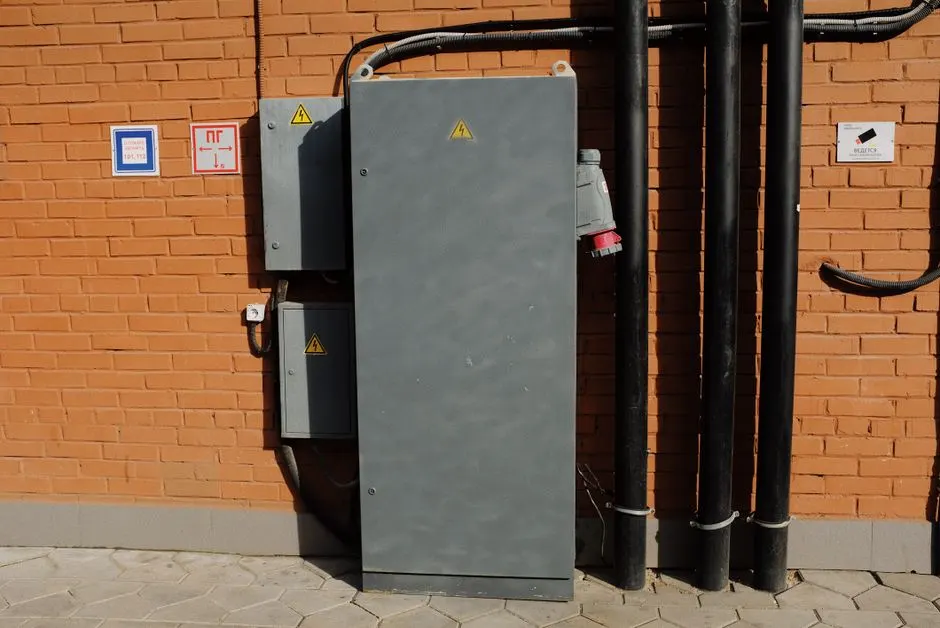
Surge Protection Installation in Saint Cloud, Florida is the electrical work that mounts a hard-wired surge protective device at your main electrical panel or meter base, then bonds it to a proper grounding rod so excess voltage has somewhere safe to go. A whole-house unit clamps lightning-induced spikes and utility switching surges at the service entrance before they ever reach your branch circuits. We size the device to your service, land the conductors on a dedicated 2-pole breaker, and verify the ground path with a clamp meter before we close the panel.

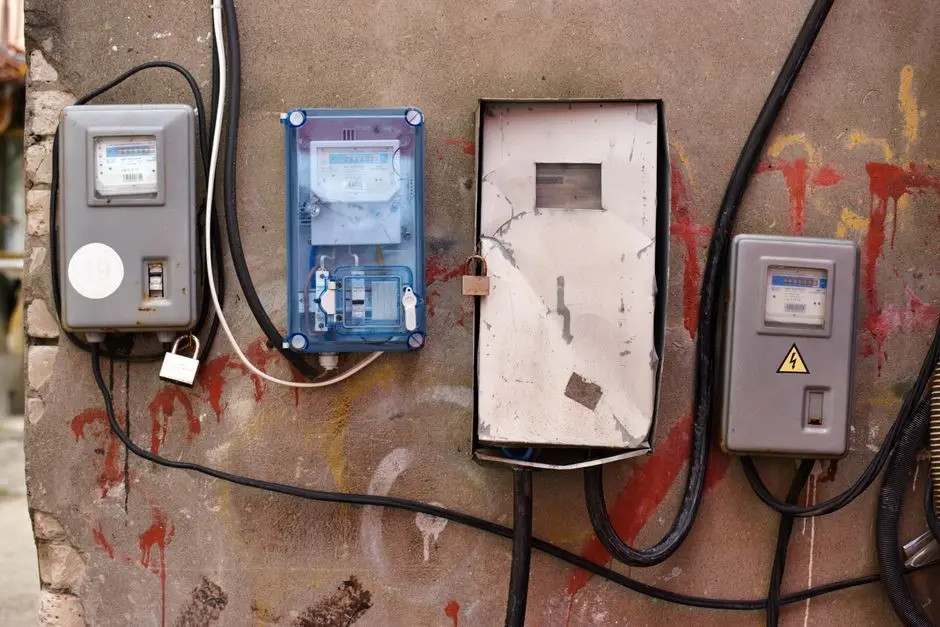
Saint Cloud sits in one of the most lightning-dense corridors in the country, and summer storms roll through Lake George and Panther Lake with grid-switching surges that a $20 power strip cannot touch. If you have been searching for surge protection installation near me and finding only big-box plug-in strips, that is not the same protection. A properly grounded whole-house unit at the panel is the only thing standing between a nearby strike and your refrigerator, well pump, and mini-split.

  • ✓ Stops Lightning Damage
  • ✓ Protects Motors and Boards
  • ✓ Extends Appliance Life
  • ✓ One Device, Whole Panel
What's included

What Our Surge Protection Installation Includes

Every install starts with a panel assessment and ends with a tested ground path. If your panel needs work before a surge device can be safely installed, we tell you before we start and quote it separately. Here is what is covered on a standard job.

01
✓

Panel and Ground Assessment

We open the panel, check for spare breaker space, inspect the bus bar for corrosion, and test the grounding electrode conductor with a clamp meter. If the ground is bad, we correct it first. A surge device on a bad ground is a waste of money, and we will not install one that way.

02
✓

UL Listed Surge Device

We supply a UL 1449 Listed whole-house surge protective device sized to your service. Brands include Square D, Eaton, Siemens, and Leviton. The device clamps at the service entrance and carries a manufacturer warranty up to 10 years with connected-equipment coverage on some models.

03
✓

Dedicated 2-Pole Breaker

The surge device lands on its own 2-pole breaker, not shared with any other circuit. We torque the lugs to manufacturer spec with a torque screwdriver and label the breaker clearly. That dedicated breaker is what makes the install code-correct under NEC Article 285.

04
✓

Conduit and Conductors

Leads are run in conduit, cut short and straight to minimize impedance, and landed on the correct terminals. We use copper conductors sized to the device spec and secure the run within 18 inches of the panel. No dangling wire, no wire nuts in open air.

05
✓

Testing and Status Walkthrough

After re-energizing, we verify voltage at the panel and downstream, confirm the device status light shows protection active, and show you how to check it after a storm. If the light is out, the device has done its job and needs replacement. We explain that before we leave.

06
✓

Permit and Inspection

Where a permit is required, we pull it, schedule the inspection, and meet the inspector on site. If the inspector flags anything, we correct it at no extra charge. You get a signed-off inspection and a labeled panel when we are done.

How it works

How Our Surge Protection Installation Process Works

We open the panel and check available breaker spaces, bus bar condition, and the existing grounding electrode conductor. A voltage tester confirms the main is de-energized before we touch anything. If your panel is an undersized 100-amp with no spare slots, we tell you upfront what that means for the install.

A surge device is only as good as its ground. We use a clamp meter to confirm the grounding rod and bonding jumpers are intact. Corroded or missing grounds get corrected first, because a surge protector with a bad ground just dumps energy into the panel enclosure.

We mount the surge protective device within 18 inches of the panel, run conduit and conductors to a dedicated 2-pole breaker, and torque every lug to the manufacturer spec with a torque screwdriver. No back-stabbed connections, no wire nuts hanging in the breeze.

Leads are cut as short and straight as possible, because every extra inch of conductor adds impedance and slows the clamp response. We land the neutral and ground per NEC Article 285 and label the breaker clearly so the next electrician knows what it feeds.

We re-energize, verify voltage at the panel and at a few downstream receptacles, and confirm the device status light shows protection active. Then we walk you through what the indicator means and how to check it after a storm. Total time on a typical 200-amp panel is two to three hours.

Surge Protection Installation
STEP 01Panel Assessment

We open the panel and check available breaker spaces, bus bar condition, and the existing grounding electrode conductor. A voltage tester confirms the main is de-energized before we touch anything. If your panel is an undersized 100-amp with no spare slots, we tell you upfront what that means for the install.

Tools & methods

Tools and Methods We Use on Every Install

01
✓

Clamp Meter

Measures current on the grounding electrode conductor to verify the ground path is intact and carrying fault current as designed. We test before and after the install so you have a real reading, not an assumption.

02
✓

Voltage Tester

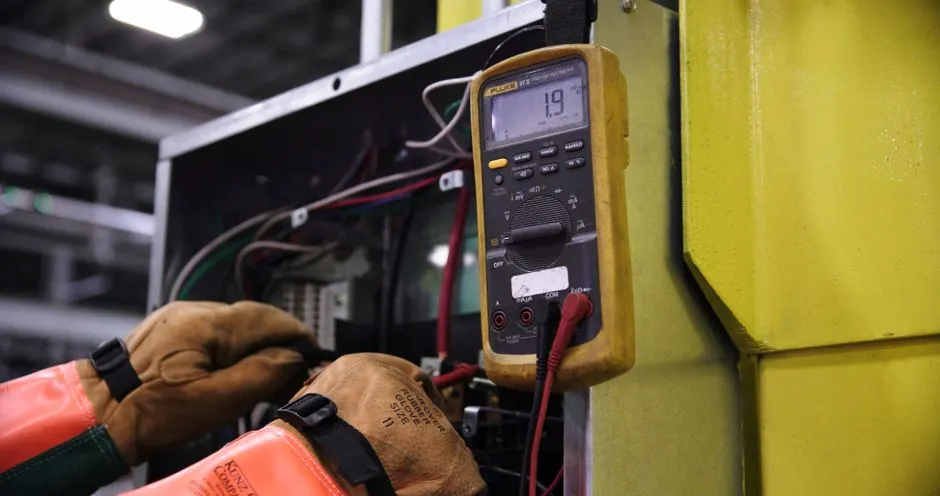
Confirms the main breaker is de-energized before we open the panel. Every job starts with a voltage check. No exceptions, no shortcuts, no working a live panel because the schedule is tight.

03
✓

Torque Screwdriver

Lands every breaker lug and device terminal to the manufacturer's specified torque. Loose connections are the number one cause of panel fires. We torque to spec and we do not guess by feel.

04
✓

Wire Stripper

Strips conductors cleanly without nicking copper. A nicked conductor creates a hot spot under load. We strip to length, land the conductor, and inspect the termination before closing the panel.

05
✓

Insulated Gloves

Worn during any work near energized equipment. Even with the main off, we treat every panel as live until we have tested it ourselves. That is basic NFPA 70E practice and it keeps our electricians safe.

06
✓

Fish Tape and Hole Saw

Used when the surge device mounts at the meter base or when conduit has to pass through a block wall. Saint Cloud block construction means we plan the run before we cut, not after.

Real results

Before and after.

Lightning Strike Took Out Three Appliances
Surge Protection Installation

Lightning Strike Took Out Three Appliances

A Panther Lake homeowner lost a well pump, a garage door opener, and the AC control board in a single July storm. The panel was a 200-amp service with a corroded grounding rod and no surge protection at the main. Total replacement cost was over $4,000 out of pocket after the insurance deductible.

After: We replaced the grounding rod, bonded the water and gas lines, and installed a Siemens whole-house surge device on a dedicated 2-pole breaker. The next storm season produced two nearby strikes. The surge device clamped both and the homeowner replaced one $180 device under warranty instead of another round of appliances.

Book this service →
100-Amp Panel With No Room for Protection
Surge Protection Installation

100-Amp Panel With No Room for Protection

A 1962 home near Downtown Saint Cloud had a 100-amp panel with every breaker slot filled and no grounding electrode conductor. The homeowner wanted surge protection but there was nowhere to land a dedicated 2-pole breaker. Plug-in strips were the only protection in place.

After: We upgraded the service to 200 amps, installed a new Square D panel, drove a grounding rod, and landed the surge device on its own 2-pole breaker. The inspection passed the first time. The homeowner now has room for future circuits and whole-house protection from the meter base to the last branch.

Book this service →
EV Charger and Hot Tub Added to a Full Panel
Surge Protection Installation

EV Charger and Hot Tub Added to a Full Panel

A homeowner near Pleasant Lake added a 48-amp EV charger and a hot tub on the same 200-amp service. The load calculation showed the panel was near capacity, and there was no surge protection on either new circuit. Grid spikes were a real risk to the charger and the hot tub control board.

After: We ran the load calculation, installed the dedicated circuits with the required GFCI protection, and added a whole-house surge device at the main panel. Both the new equipment and the existing appliances are now covered by one device. The charger and hot tub have run through two storm seasons without a failure.

Book this service →
Problems we solve

Electrical Problems Whole House Surge Protection Solves

Most Saint Cloud homeowners call us after something already failed. These are the problems we see most often, and how a properly installed surge device changes the outcome.

Ask a pro →
01

Lightning strike fried multiple appliances at once

We install a UL Listed whole-house surge device at the main panel and verify the grounding rod. The device clamps the strike at the service entrance and diverts it to ground before it reaches branch circuits. That is the difference between one dead device and a house full of dead appliances.

↗
02

Repeated small surges shortening motor life

A whole house surge protection Saint Cloud Florida install clamps those small spikes too, not just the big strikes. We size the device to your service and mount it within 18 inches of the panel so clamp response stays fast. Motors and control boards run longer.

↗
03

No spare breaker space for a surge device

We quote a panel upgrade alongside the surge install. Moving to a 200-amp panel gives you the dedicated 2-pole breaker, modern grounding, and room for future circuits. One permit, one inspection, both jobs done in the same visit.

↗
04

Corroded or missing grounding rod

We test the ground path with a clamp meter before installing anything. If the rod is corroded or the grounding wire is undersized, we replace it and bond the water and gas lines per NEC 250. Only then does the surge device go in.

↗
Transparent pricing

What Surge Protection Installation Costs in Saint Cloud

$350 - $850 for a standard whole-house surge protection install; $1,800+ if a 200-amp panel upgrade is required first

Typical 2026 pricing for a whole-house surge protection install in Saint Cloud runs $350 to $850, including the device, a dedicated 2-pole breaker, conduit, labor, and the permit where required. If your panel needs grounding corrections, add $150 to $400. If there is no spare breaker space and you need a 200-amp panel upgrade first, that is a separate quote starting around $1,800. We give you the full number before we start, not after.

One lightning strike can cost $3,000 to $8,000 in appliance replacement. A properly installed surge device costs a fraction of that, carries a manufacturer warranty up to 10 years, and protects every circuit in the house. That is the math that matters.

Panel Type and Age

•affects cost

A modern 200-amp panel with spare breaker space is a straightforward two-hour install. An older 100-amp panel with no slots, a corroded bus bar, or a discontinued breaker brand takes longer and may require a panel upgrade before the surge device can be installed.

Get a quote ↗
Device Rating and Brand

•affects cost

Surge devices range from basic models to units with higher clamping capacity and connected-equipment warranties. Square D, Eaton, Siemens, and Leviton all make UL 1449 Listed devices. The higher-rated units cost more but carry longer warranties and better protection for expensive equipment.

Get a quote ↗
Mounting Location

•affects cost

A device mounted within 18 inches of the panel with short leads performs best and costs the least to install. Meter-base mounting or a detached subpanel install requires additional conduit, conductors, and labor. We quote the location before we start.

Get a quote ↗
Proof you can check

Licensed, Insured, and Warrantied

  • Florida Licensed Electrical Contractor · Florida Department of Business and Professional Regulation
  • NEC Article 285 Compliance · National Fire Protection Association (NFPA 70)
  • NFPA 70E Arc Flash Safety Training · National Fire Protection Association
  • UL 1449 Listed Surge Protective Devices · Underwriters Laboratories
  • OSHA 10-Hour Construction Safety · Occupational Safety and Health Administration
Customer reviews

What Saint Cloud Homeowners Say

★★★★★
“Lightning took out our well pump and the garage door opener in one storm last summer. I called Saint Cloud Panel Pros and they had a whole-house surge device on the panel the same week. They tested the ground rod, found it was corroded, and replaced it. Two years later, no failures. Worth every dollar.”
MT

Marcus T.Homeowner, Panther Lake

✓ Verified
★★★★★
“I had a plug-in strip on my TV and thought I was covered. After a nearby strike fried the mini-split board, I called these guys. They explained the difference in about two minutes. Installed a Siemens device at the main panel, labeled the breaker, and showed me the status light. No more guessing.”
RK

Raymond K.Homeowner, Sauk River Neighborhood

✓ Verified
Good questions

Frequently Asked Questions About Surge Protection Installation

(321) 677-9111 →

Most whole-house surge protection installs in Saint Cloud run $350 to $850 in 2026, including the device, a dedicated 2-pole breaker, conduit, and labor. If your panel needs grounding corrections or has no spare breaker space, add $150 to $400. A panel-mounted device costs far less than replacing a well pump, an AC control board, and a refrigerator after one close strike.

Yes, if your home has a well pump, mini-split, pool pump, or any appliance with a control board. Saint Cloud sits in a high-lightning corridor, and utility switching surges hit every service in the area. A plug-in strip protects one outlet. A whole-house device at the panel protects every circuit, including the subpanel in your garage and the 240V circuit on your water heater.

A standard install on a 200-amp panel takes two to three hours. If we need to correct a bad grounding rod, add a dedicated breaker, or run conduit through a block wall, plan on four to five hours. We schedule most jobs as a single visit and test the ground path and voltage before we leave.

A Florida licensed electrical contractor should install it, not a handyman. The work involves opening the main panel, landing conductors on a dedicated breaker, and verifying the grounding electrode system. We pull the permit, install UL Listed devices from Square D, Eaton, Siemens, or Leviton, and warranty the labor for two years.

Ready when you are

Get Surge Protection Installation in Saint Cloud, Florida

One lightning strike can take out your well pump, AC, and refrigerator in the same second. We install UL Listed whole-house surge devices, test the ground path, and warranty the labor for two years. Call today and we will tell you honestly when we can be there.

Book Your Install (321) 677-9111 →
Request an appointment

Call Saint Cloud Panel Pros

Reach us at (321) 677-9111 Monday through Friday, 8 a.m. to 6 p.m., and 24/7 for emergencies. We answer the phone, ask the right questions, and give you a straight answer on timing. Same-day estimates are usually available if you call before noon.

↗
Emergency?Call now