Load Calculation and Sizing
We measure your existing demand with a clamp meter and calculate the new load to NEC Article 220. That determines whether you need a 60, 100, or 125 amp feeder and whether your main service can carry it.
Subpanel Installation in Saint Cloud, Florida gives your home or shop the dedicated power it needs without overloading your main electrical panel. Whether you are adding a workshop, garage, pool pump, or EV charger, our licensed electricians run the feeders, set the breakers, and label every circuit. We pull the permit, pass inspection, and leave you with a panel that stays cool under load.
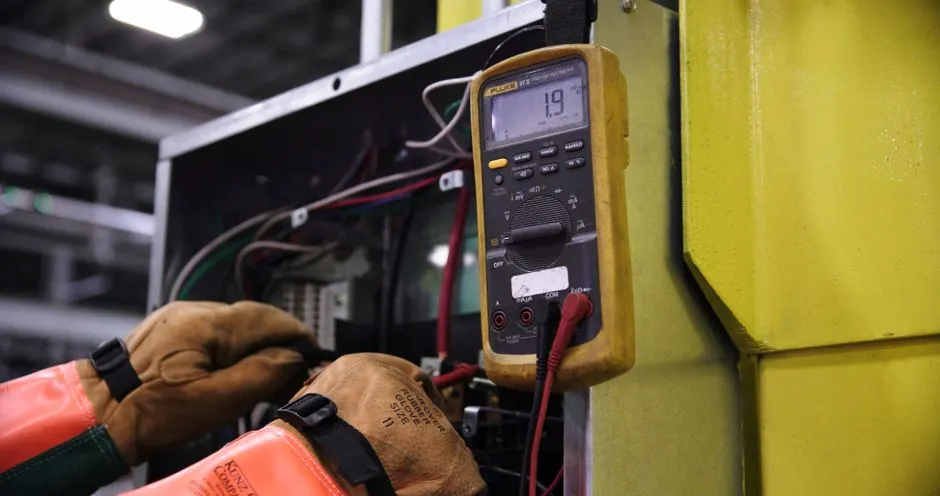
A subpanel is a secondary distribution board fed from your main electrical panel by a dedicated breaker and feeder wires. Installing one means running conduit or cable from the main panel to the new location, mounting the enclosure, landing the grounding wire and neutral on separate bus bars, and filling it with circuit breakers for the loads you are adding. We size the feeder to the load, torque every lug to spec, and label each breaker so the next electrician who opens the cover knows exactly what feeds what.
Saint Cloud homes built before 1990 often run on 100 amp service with a full panel and no spare slots. Add a hot tub, a mini-split, or a 50 amp EV charger and you are tripping the main breaker on a summer afternoon. A subpanel installation Saint Cloud homeowners rely on solves that by creating room for new circuits without a full service upgrade. If you have been searching for subpanel installation near me because your panel is maxed out, we can usually add a subpanel in Saint Cloud near me within a week of your call.
Our standard subpanel installation covers everything from the load calculation to the final inspection. If your project needs a service upgrade or new branch wiring, we quote that separately and show you why before we start.
We measure your existing demand with a clamp meter and calculate the new load to NEC Article 220. That determines whether you need a 60, 100, or 125 amp feeder and whether your main service can carry it.
We file the electrical permit, meet the inspector on site, and handle the final sign-off. You get the closeout paperwork and a labeled panel directory when we are done.
We mount the enclosure, land the feeder, and fill the subpanel with Square D, Eaton, or Siemens breakers sized to each circuit. Every lug is torqued to manufacturer spec with a torque screwdriver.
We drive a grounding rod, run the grounding electrode conductor, and separate neutrals from grounds on their own bus bars. That is what makes the subpanel safe under fault conditions.
Every breaker gets a printed label identifying what it feeds. A labeled panel saves time on every future repair and satisfies NEC 408.4 requirements.
We energize the subpanel, test each circuit with a voltage tester, and check voltage drop under load. You get a walkthrough of what feeds what before we pack up.
We start with a full electrical load calculation on your existing service. Using a clamp meter and multimeter, we measure actual draw on your main panel and compare it to the NEC demand load for your square footage. That tells us whether your service can carry a subpanel feeder or whether you need a 200 amp panel upgrade first. Takes about 45 minutes.
We pull the electrical permit with the local building department and map the feeder route with you. You approve where the subpanel mounts, where the conduit runs, and how the circuits will be labeled. Most permits clear in 2 to 5 business days.
On install day we kill the main breaker, mount the enclosure, and run the feeder through conduit or cable. A cable puller and fish tape get the wire through finished walls with minimal drywall cuts. We install the grounding rod and bond it to the subpanel bus bar. Rough-in runs 3 to 5 hours on a typical job.
We land the feeder breaker in the main panel, then fill the subpanel with Square D or Eaton breakers sized to each load. Every termination gets torqued to the manufacturer spec with a torque screwdriver. We label each breaker with a printed directory so the panel reads like a wiring map.
We energize the subpanel, test every circuit with a voltage tester, and check for voltage drop under load. Then the inspector signs off. You get the final label sheet, the permit closeout, and a walkthrough of what feeds what. Total job time is usually 4 to 8 hours.
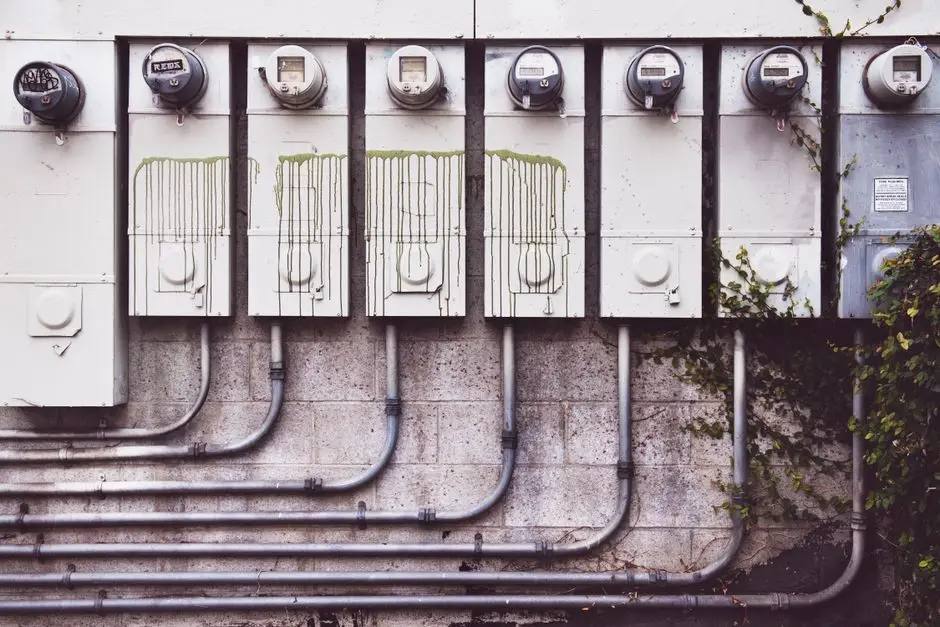
We start with a full electrical load calculation on your existing service. Using a clamp meter and multimeter, we measure actual draw on your main panel and compare it to the NEC demand load for your square footage. That tells us whether your service can carry a subpanel feeder or whether you need a 200 amp panel upgrade first. Takes about 45 minutes.
Measures actual current draw on your main panel during the load calculation so we size the feeder to real demand, not guesswork.
Verifies voltage at each subpanel circuit and confirms the feeder is delivering full voltage under load before we close up.
Torques every breaker and lug termination to the manufacturer spec. Loose terminations are the number one cause of panel fires.
Maps which breaker feeds which outlet so we can move existing circuits into the subpanel without guesswork or accidental shutoffs.
Pulls feeder wire through finished walls and conduit runs with minimal drywall damage, which keeps your patch-and-paint cost down.
Confirms the circuit is dead before we touch it and confirms it is live after we land it. Every circuit gets tested both ways.
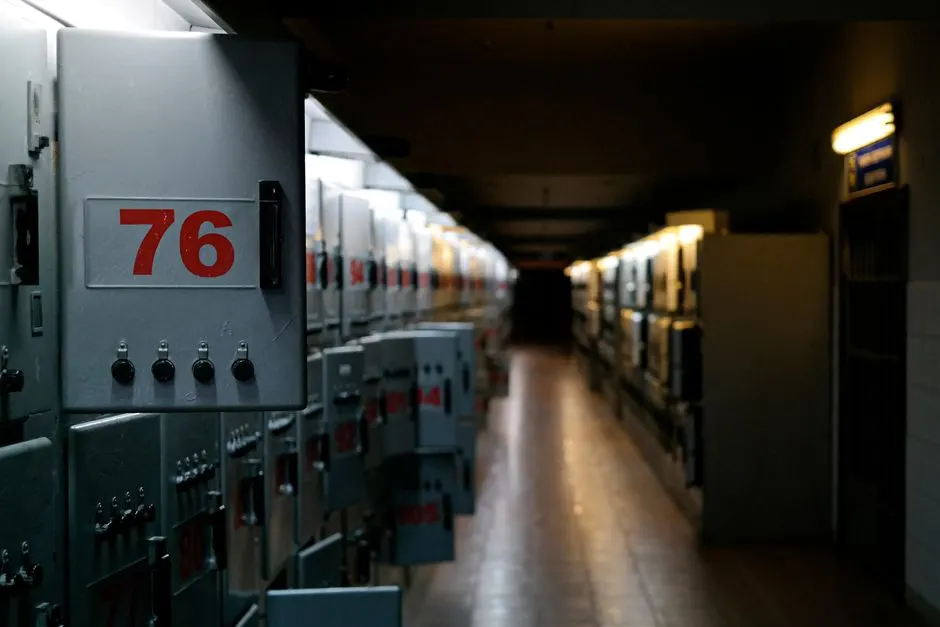
A 1978 Saint Cloud home had a 100 amp main panel with every slot filled and two double-tapped breakers. The owner wanted a 50 amp EV charger circuit but there was nowhere to land it.
After: We corrected the double-taps, installed a 100 amp subpanel in the garage, and landed the EV charger plus four spare slots. The main panel now carries only the feeder breaker. Inspection passed on the first visit.
Book this service →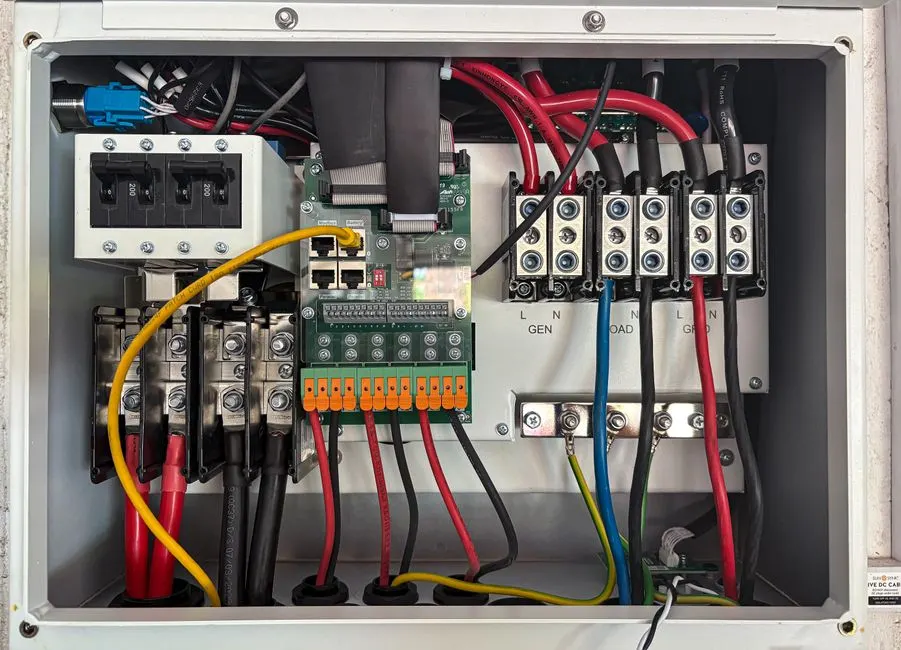
A homeowner near Sauk River Neighborhood ran extension cords from the house to a detached workshop. The compressor would trip the garage circuit and the lights dimmed every time the table saw started.
After: We trenched 65 feet of conduit, pulled a 100 amp feeder, and installed a subpanel with six dedicated circuits. Voltage drop at the far outlet tested at 2.4 percent. No more tripping.
Book this service →
A Panther Lake homeowner had a hot tub wired to a shared 20 amp circuit with no GFCI protection. The breaker tripped weekly and the setup would never have passed inspection.
After: We installed a 60 amp subpanel near the patio with a 50 amp GFCI breaker for the spa. The GFCI tested clean, the grounding rod was bonded, and the inspector signed off the same week.
Book this service →Most subpanel calls start with a symptom, not a plan. Here are the problems Saint Cloud homeowners call us about, and how a properly sized subpanel solves each one.
Ask a pro →We run a load calculation, then move the heavy loads onto a subpanel with its own feeder breaker. The main panel stops carrying the combined load, and the tripping stops.
A 100 amp subpanel adds 6 to 12 labeled slots. We move existing circuits over, land the new load, and correct any double-taps we find in the main panel.
We isolate the motor load on a dedicated subpanel circuit, upsize the wire if the run is long, and verify voltage drop stays under 3 percent at the outlet.
Call us at (321) 677-9111. We isolate the circuit, replace the failed breaker or damaged bus, and if the panel is beyond repair we quote a replacement or subpanel split.
$850 - $2,400 depending on scope
Typical 2026 pricing for a subpanel installation Saint Cloud homeowners book runs $850 to $2,400. That range covers the panel, feeder wire, breakers, grounding, permit, and labor. A 60 amp subpanel in an attached garage sits near the low end. A 100 amp subpanel feeding a detached shop with a long conduit run pushes toward the high end. If your main panel needs correction first, we quote that separately and show you why before we start.
You are paying for a code-correct install that passes inspection the first time, with labeled circuits and torqued terminations. That is cheaper than a callback, a failed inspection, or a panel fire.
A 60 amp subpanel costs less than a 125 amp subpanel because the enclosure, feeder wire, and breaker are smaller. We size to your actual load so you do not pay for capacity you will never use.
Get a quote ↗The longer the run from the main panel to the subpanel, the more wire and conduit you need. A 60-foot detached shop run costs more than a 15-foot garage run, and long runs may need upsized wire to control voltage drop.
Get a quote ↗Indoor runs in romex cable are faster and cheaper. Outdoor or underground runs need PVC conduit, which adds material and trenching labor. We quote both options when either will pass inspection.
Get a quote ↗If your main panel has double-tapped breakers, corrosion, or no open slots, we correct that first. Sometimes that means a 200 amp panel upgrade before the subpanel feeder can be added.
Get a quote ↗“My 100 amp panel was completely full and I needed a 50 amp circuit for a new EV charger. They ran the load calculation, told me a subpanel would work instead of a full service upgrade, and had it installed in one day. Every breaker is labeled. The inspector passed it without a single correction.”
Marcus T.Homeowner, Downtown Saint Cloud
✓ Verified“We added a detached workshop and needed power out there. They trenched the conduit, set a 100 amp subpanel, and wired six circuits for tools. Voltage drop at the far end tested under 3 percent. Clean work, fair price, and they cleaned up the trench site before they left.”
Dana R.Homeowner, Panther Lake
✓ Verified“Called on a Friday because the main breaker kept tripping when the AC and dryer ran together. They came out same day, found a loose neutral in the old panel, and quoted a subpanel to split the loads. Installed the following Tuesday. No more tripping, no more flickering lights.”
Kevin M.Property Owner, Waite Park
✓ VerifiedMost subpanel installation Saint Cloud Florida cost runs $850 to $2,400 in 2026, including the panel, feeder wire, breakers, permit, and labor. A simple 60 amp subpanel in an attached garage sits near the low end. A 100 amp subpanel feeding a detached shop with a long conduit run pushes toward the top. We quote the full job before we start.
You need one when your main panel has no open breaker slots or when a new heavy load would overload your service. Common triggers in Saint Cloud are EV chargers, hot tubs, workshop tools, and garage mini-splits. If your main breaker trips when the AC and dryer run together, a load calculation will tell you whether a subpanel or a service upgrade is the right fix.
A typical subpanel installation in Saint Cloud takes 4 to 8 hours of on-site work, plus 2 to 5 business days for the permit to clear. Simple attached-garage jobs finish in a single day. Detached buildings with a long underground conduit run can take two days. We schedule the inspection as soon as the work is done.
You want a Florida licensed electrician, not a handyman. Subpanel work involves feeder sizing, grounding electrode conductors, and neutral separation that must meet NEC code, and it requires a permit and inspection. Our electricians handle the whole job, from load calculation through final inspection sign-off.
Licensed, insured, and code-correct on every job. Call (321) 677-9111 and we will run your load calculation, quote the full price, and get your subpanel on the schedule. Same-day quotes available.
Get a Free Quote (321) 677-9111 →Reach us at (321) 677-9111 Monday through Friday, 8 a.m. to 6 p.m., and 24/7 for emergencies. We answer the phone, ask the right questions, and give you a straight answer on timing. Same-day estimates are usually available if you call before noon.